





APG
APG (Alkyl Polyglucoside) is a high-performance non-ionic surfactant synthesized from renewable natural resources—plant-derived glucose and fatty alcohols. It innovatively combines the superior characteristics of traditional non-ionic and anionic surfactants, delivering both efficient cleaning performance and eco-friendly properties.
APG has obtained international authoritative certifications such as COSMOS and HALAL, and is globally recognized as a new generation of "green" functional surfactants.

REQUEST A SAMPLE
more details

With outstanding surface activity (e.g., APG with a carbon chain length of approximately 10 exhibits excellent foaming performance), ecological safety (biodegradability exceeding 98%, with over 70% degradation achieved within 28 days, and no toxicity to aquatic organisms), and broad compatibility (it can be formulated with anionic and amphoteric surfactants to reduce formulation irritation and enhance cleaning efficiency).
BASIC INFORMATION
| Product Name | Chemical/INCI Name | C Chain | Application |
|---|---|---|---|
| AC1200 | Lauryl Glucoside | C12-14 | Personal Care |
| AC2000 | Decyl Glucoside | C8-14 | |
| AC810 | Caprylyl/Capryl Glucoside | C8-10 | |
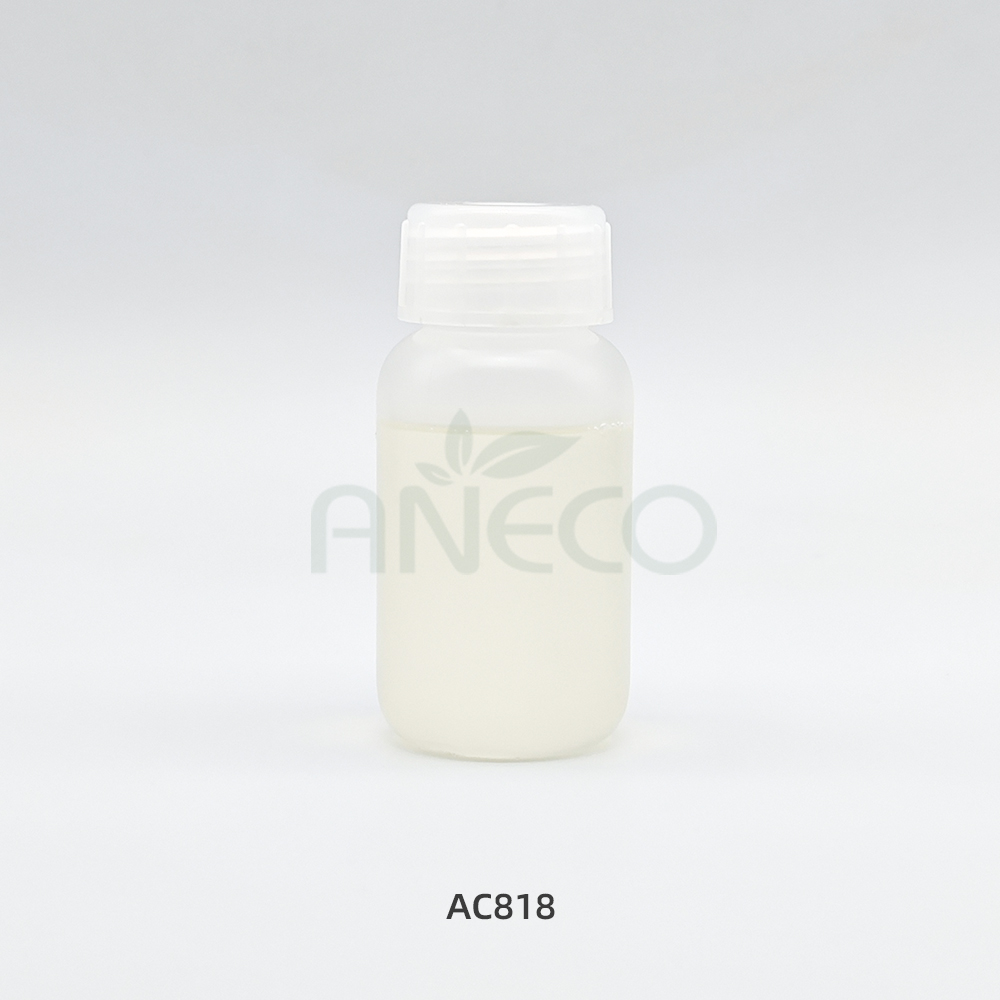
| AC818 | Coco-Glucoside | C8-14 | |
| AC110 | Sodium Laureth Sulfate & Lauryl Glucoside & Alcohol | APG blend | |
| AC611L | Sodium Laureth Sulfate & Lauryl Glucoside & Cocamidopropyl Betaine | ||
| AC-PO65 | Coco-Glucoside (and) Glyceryl Oleate |
ADVANTAGES
1.Ultra-Mild and Low Irritation Properties
APG demonstrates exceptional skin compatibility, with OECD Test Guideline 404 confirming significantly lower irritation compared to traditional surfactants. Experimental data show that unlike anionic surfactants such as SLS/SLES, APG does not cause abnormal increases in skin transepidermal water loss (DTEWL) within 24 hours of use, thereby effectively maintaining skin barrier integrity. In patch tests at a 10% concentration, APG is rated as "non-sensitizing" to the epidermis and mucous membranes.
2. Superior Moisturizing Performance
The hydrophilic glucoside groups in APG molecules form an oriented hydration film on the skin surface, which functions as a moisture-control layer. Clinical tests indicate that formulations containing APG can increase stratum corneum hydration by approximately 15–20%, with moisturizing effects lasting for over 4 hours. The unique amphiphilic molecular structure of APG prevents excessive water evaporation without creating an occlusive or sticky feel.
3. High Emulsification Efficiency
In emulsification stability tests, APG exhibits excellent interfacial activity. Under extreme conditions—such as 15% NaCl concentration or temperatures up to 80°C—APG-based emulsion systems maintain over 90% of their initial emulsification rate. Compared to traditional PEG-based emulsifiers, APG forms oil-in-water (O/W) emulsions with a more concentrated particle size distribution (D90 < 2 μm) and delayed phase separation time exceeding 30 minutes.
4. Outstanding Compatibility and Stability
Blending tests confirm that when APG is combined with anionic surfactants (LAS/AES) at a 1:3 ratio, it reduces systemic irritation by up to 40%. Synergistic effects are observed when APG is mixed with amphoteric surfactants (e.g., CAB), resulting in a 25% improvement in cleaning efficiency alongside enhanced foam stability. APG maintains structural integrity across a broad pH range (2–12), and its compatibility with cationic surfactants surpasses that of conventional non-ionic surfactants.
Disclaimer:
The data described in this product description is based on laboratory testing conditions and public data.Actual application effects may vary due to factors such as formulation and environment. Users are advised to conduct tests and verifications based on their own needs.
Q&A
Q1:How to choose different brands of APG in personal care formulations based on formulation characteristics?
A1:The selection of different APGs depends on the performance requirements of the formula.
For high wetting effect/fast spreading, the preferred APG specifications are: C8-C10 APG, such as AC810; For high foaming/rich and delicate foam/foam stability, the preferred APG specifications are: C12-C14 APG, such as AC1200; For high decontamination effect (especially for oil and sebum), the preferred APG specifications are: C12-C14 APG, such as AC1200; For thickening ability/improvement of system viscosity, the preferred APG specifications are: C12-C14 APG, such as AC1200; For lipid repair, gentle cleansing, moisturizing repair, and multi-effects in one, the preferred APG specifications are: AC-PO65.
Q2: Will personal care products containing APG cause skin dryness?
A2: No, it will not cause dryness! On the contrary, APG possesses excellent moisturizing properties. Its molecular structure helps maintain the normal structure and hydration level of the stratum corneum, reducing TEWL. Skin hydration levels after using APG-containing formulations are significantly better than those using traditional surfactants (e.g., SLS). The post-rinse feel is fresh and comfortable, devoid of any tightness or slippery film residue.
Q3: What about the biodegradability of APG in personal care?
A3: Excellent biodegradability! Derived from natural sugars and fatty alcohols, APG undergoes testing per OECD 301 standards. Its primary biodegradation is typically >90%, with high ultimate biodegradability. This makes it an ideal choice for environmentally friendly formulations, meeting stringent regulations and consumer demand for sustainability.
more details
With outstanding surface activity (e.g., APG with a carbon chain length of approximately 10 exhibits excellent foaming performance), ecological safety (biodegradability exceeding 98%, with over 70% degradation achieved within 28 days, and no toxicity to aquatic organisms), and broad compatibility (it can be formulated with anionic and amphoteric surfactants to reduce formulation irritation and enhance cleaning efficiency).
BASIC INFORMATION
| Product Name | Chemical/INCI Name | C Chain | Application |
|---|---|---|---|
| AC8170N | Caprylyl/Capryl Glucoside | C8-10 | Home Care, I&I Industrial cleaners, Hard surface cleaners, Car wash |
| AC0810 50% | Caprylyl/Capryl Glucoside | C8-10 | |
| AC0810 60% | Caprylyl/Capryl Glucoside | C8-10 | |
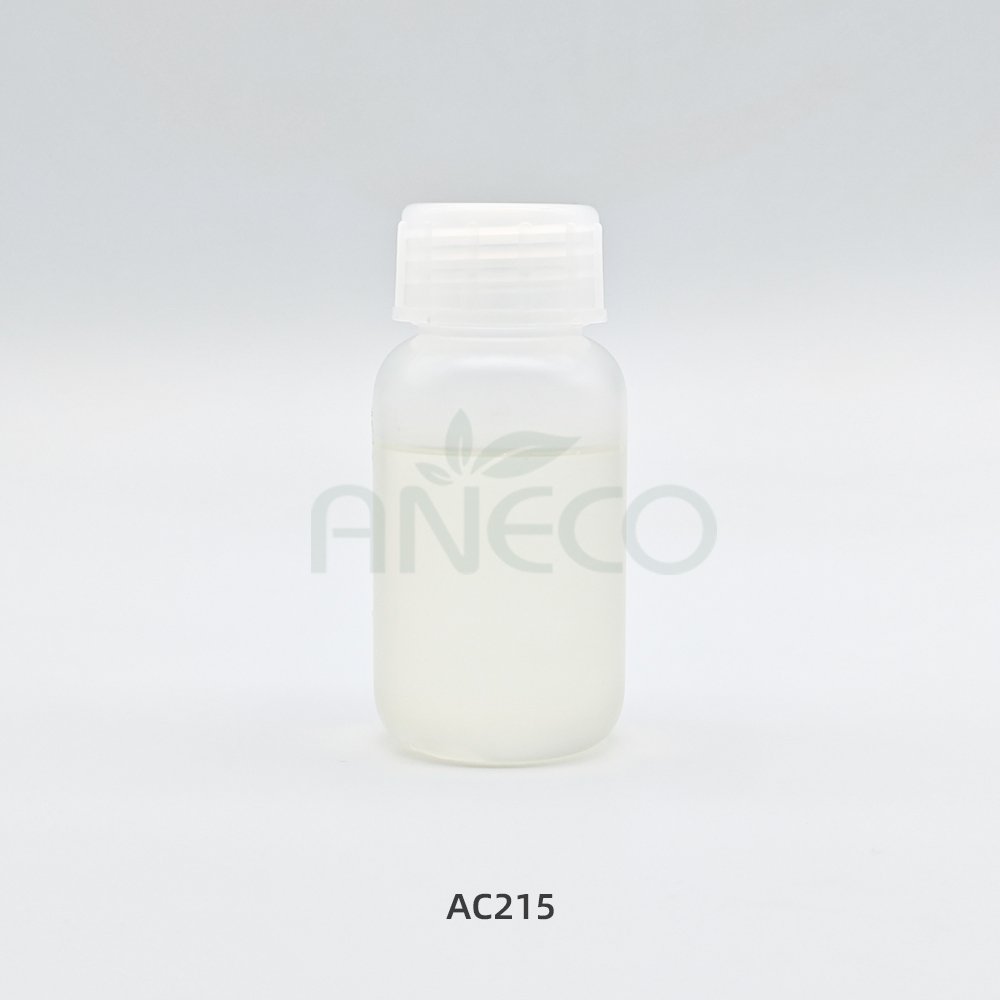
| AC215 | Caprylyl/Capryl Glucoside | C8-10 | |
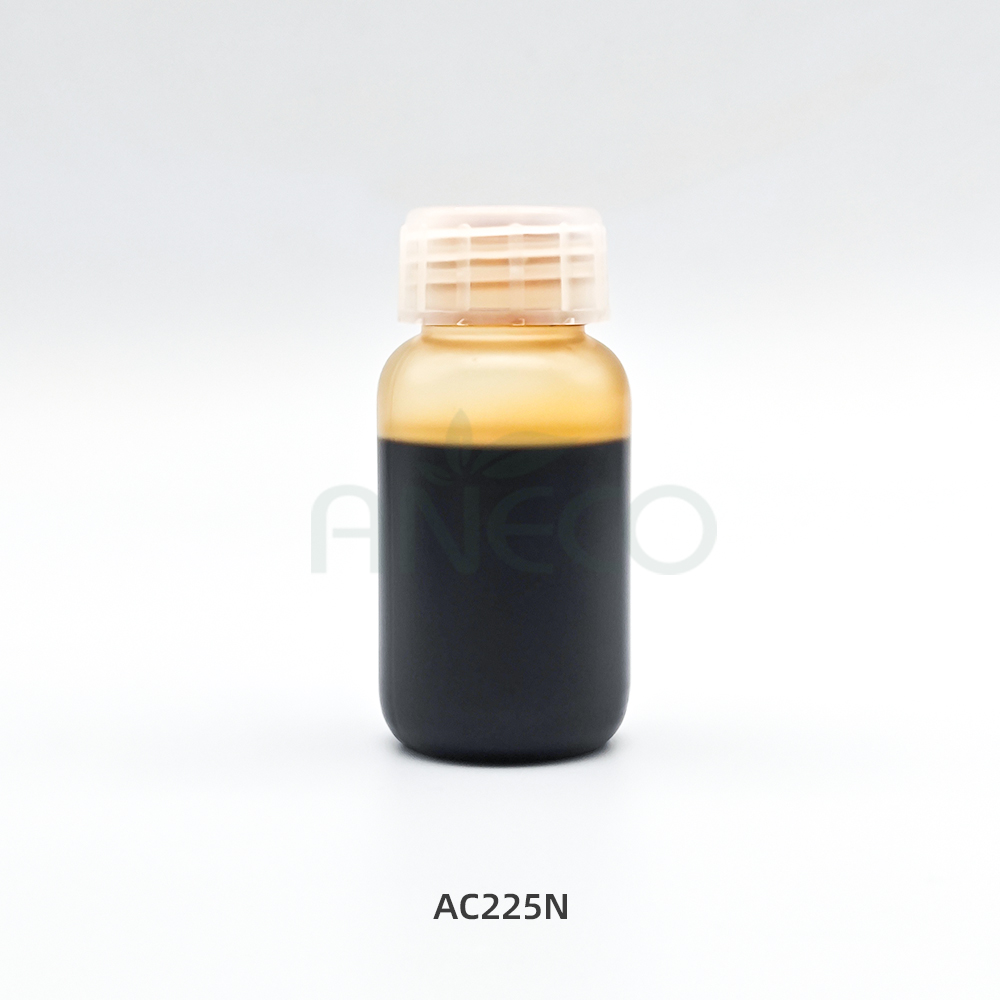
| AC225N | Caprylyl/Capryl Glucoside | C8-10 | |
| AC600 | Lauryl Glucoside | C12-14 | |
| AC650 | Coco-Glucoside | C8-14 | |
| AC425N | Coco-Glucoside | C8-14 | |
| AC4 | Butyl Glucoside | C4 | Home Care, I&I Industrial cleaners, Hard surface cleaners, Car wash |
| AC6 | C6 Alkyl Polyglucoside | C6 | |
| AC8 | C8 Alkyl polyglucoside | C8 | |
| AC10 | Decyl Glucoside | C10 |
ADVANTAGES
1.Superior Hard Water Tolerance and Low-Temperature Performance
APG demonstrates exceptional resistance to interference from hard water ions (Ca²⁺, Mg²⁺), with Lime Soap Dispersing Power (LSDR) significantly surpassing other surfactant types. It maintains over 90% cleaning efficiency in hard water environments with hardness up to 300 ppm. The low-temperature washing performance is outstanding, maintaining stable foam volume and cleaning effectiveness even at 5°C.
2. Mild Safety and Ecological Compatibility
Verified through OECD Test Guideline 404, APG shows significantly lower skin irritation compared to traditional anionic surfactants, reducing formulation irritation by over 40%. Its biodegradability exceeds 98% (OECD 301D standard), with a 28-day degradation rate exceeding 70%. The EC50 value for aquatic organisms is >100 mg/L, substantially superior to traditional surfactants (e.g., SLS shows EC50 values of only 10-50 mg/L for aquatic organisms).
3. Excellent Synergistic Compatibility and Stability
When compounded with anionic surfactants (LAS/AES) at a 1:3 ratio, the system's detergency improves by over 25% while reducing active ingredient usage by 15-20%. APG maintains structural stability in highly alkaline environments up to pH 12, making it suitable for heavy-duty cleaner formulations. Synergistic effects with amphoteric surfactants (CAB) enhance foam stability by more than 30%.
4. Outstanding Surface Activity and Wetting Performance
APG reduces water's surface tension to 28-30 mN/m (at room temperature), with wetting time shortened by over 50% compared to traditional surfactants. Its exceptional spreading capability (contact angle<30°) ensures rapid penetratio of cleaning agents into stains, reducing dye penetration time by 40% in textile industry applications and improving cleaning efficiency by 35% on hard surfaces.
Disclaimer:
The data described in this product description is based on laboratory testing conditions and public data.Actual application effects may vary due to factors such as formulation and environment. Users are advised to conduct tests and verifications based on their own needs.
Q&A
Q1: Will the cleaning power of APG in home care products decrease in hard water?
A1: The decrease is minimal and far outperforms most traditional surfactants! Thanks to its outstanding hard water tolerance, APG effectively
sequesters calcium and magnesium ions in hard water, preventing them from interfering with the cleaning process or forming insoluble deposits (soap scum). To completely neutralize hardness effects and achieve optimal performance, we recommend blending with a small amount of chelant (e.g., 0.5% Sodium Citrate or more eco-friendly alternatives like GLDA). This ensures robust and consistent cleaning power in any water hardness while protecting fabric softness and preventing water spotting.
Q2: Can APG effectively replace PEG-based emulsifiers in formulations?
A2: Absolutely yes, and it offers significant advantages!
High Emulsifying Efficiency: APG effectively builds and stabilizes O/W emulsions, particularly suitable for systems requiring mildness.
Good Thermal Stability: APG is generally more stable at elevated temperatures compared to some PEG derivatives.
Enhanced Safety/Mildness: APG avoids potential concerns related to impurities (e.g., 1,4-dioxane) sometimes associated with PEGs and is inherently very low in irritation.
Environmental Edge: Derived from renewable resources, its biodegradability profile is often superior to PEG-based emulsifiers.
Therefore, APG is an ideal emulsifier choice for developing "PEG-free" or more natural, eco-friendly formulations.
Q3: How does APG perform in cold water washing?
A3: It performs excellently! APG boasts superior solubility and stability at low temperatures, resisting crystallization or precipitation in cold water. Its surface activity remains highly effective at low temperatures, efficiently reducing water's surface tension to promote wetting and emulsification of oily soils. Combined with its strong hard water tolerance, this makes APG-based detergents exceptionally well-suited for cold water wash cycles, contributing to energy savings.
REQUEST INFORMATION

Tel: +86 25 6606 0698
E-mail: sales@anecochem.com
Business Hours: Mon–Fri,
09:30–12:30 & 14:00–17:30 (GMT+8)


